In the entire learning process of the BEMM129 module, I learned that the core of the continuous development and innovation of digital technology has brought changes to the economy and various industries, resulting in the emergence of similar digital economy and industrial digitization.
In my blog about the change of music industry and video industry, I mentioned the changes that digital technology has brought to music and video, such as the emergence of digital albums, online videos, and various music and film or television applications. This digital change brings different ways of entertainment and leisure. With the support of digital networks, people can listen to music and watch videos on their mobile phones anytime and anywhere, and they can also communicate with friends on chat software.
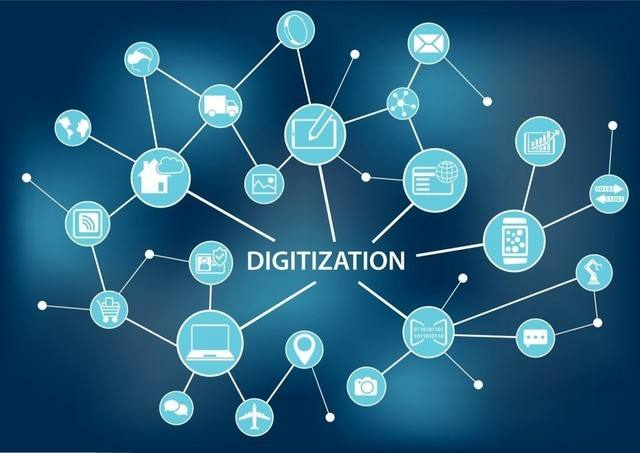
In the module, we also learned the two popular economic forms of circular economy and sharing economy. The continuous change of digital technology promotes the development of circular economy and sharing economy, such as the emergence of second-hand trading platforms and the popularization of shared bicycles. In addition, people can also borrow e-books on the internet or use Kindle to read at any time. The development of these economic forms has not only improved people’s efficiency but also improved the sustainability of goods. In addition to this, the development and popularization of digital technologies have also brought intelligent changes to cities. The emergence of smart cities means that digitalization has been integrated with the overall construction of the city and various infrastructures, and it is more efficient and environmentally sustainable than traditional systems in transportation, medical care and education.

In conclusion, digitalization has brought about tremendous changes and developments in life, work and study. The continuous innovation of digital technology in the future is also the focus of people’s continued attention.
COMMENTS
1.https://hx2370.wixsite.com/mysite/post/changes-brought-about-by-digital-audit
3.https://qingqingmiao.tech.blog/2020/02/11/changes/
4.https://qingqingmiao.tech.blog/2020/03/06/post-3-uberdisruptive-innovation/
References
Barbu, C.M; Bratu, R.Ş; Sirbu, E.M. (2018) Business Models of the Sharing Economy. Review of International Comparative Management / Revista de Management Comparat International. 19, 2, 154-166, May.
Cusumano M. (2018) The Sharing Economy Meets Reality: Assessing the uncertainties of the business models driving the sharing economy. Communications of the ACM [serial online]. January, 61 (1):26-28.
Miao, Q., 2020. My BEMM129 Journey. [online] My BEMM129 Journey. Available at: <a href="http://Miao, Q., 2020. My BEMM129 Journey. [online] My BEMM129 Journey. Available at: http://Miao, Q., 2020. My BEMM129 Journey. [online] My BEMM129 Journey. Available at: <https://qingqingmiao.tech.blog/> [Accessed 8 April 2020].
Xu, H., 2020. [online] Hx2370.wixsite.com. Available at: <a href="http://Xu, H., 2020. [online] Hx2370.wixsite.com. Available at: http://Xu, H., 2020. [online] Hx2370.wixsite.com. Available at: <https://hx2370.wixsite.com/mysite/blog> [Accessed 8 April 2020].
Zhuhadar, L., Thrasher, E., Marklin, S., & Pablos, P. O. (2017). The next wave of innovation—Review of smart cities intelligent operation systems. Computers in Human Behavior, 66, 273-281. doi:10.1016/j.chb.2016.09.030
 Joey BLOG

